
Full Container Load (FCL) Shipping Services
for Secure and Scalable Global Transport
In a competitive global trade environment, businesses require shipping models that offer reliability, predictable costs, and complete cargo protection. Full Container Load (FCL) shipping is one of the strongest logistics solutions for companies moving large or high-value volumes across international routes.
With a dedicated container, uninterrupted handling, and streamlined transit schedules, FCL ensures that shipments reach their destination safely and on time. Lex Logistics delivers end-to-end FCL services designed to simplify international operations, strengthen supply chain stability, and support long-term business growth.
Get Competitive FCL Rates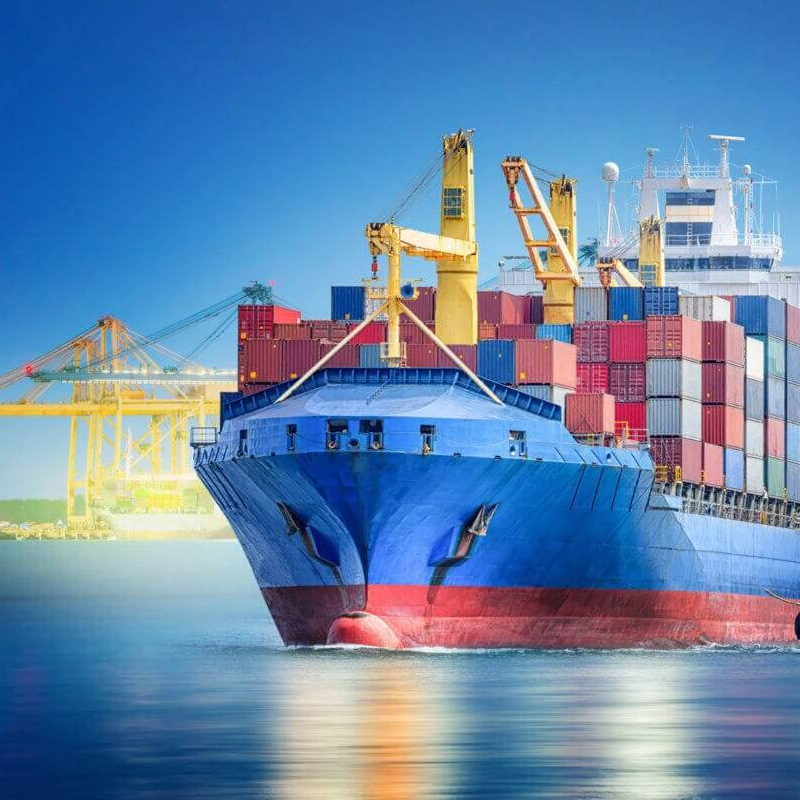
Understanding Full Container Load (FCL) Shipping
FCL shipping refers to an ocean freight method where the entire container is allocated to one shipper. Unlike LCL, where multiple consignments share the same unit, FCL provides exclusive control over loading, sealing, and cargo arrangement. This makes it ideal for bulk shipments, fragile items, and goods requiring elevated security measures.
With flexible container options and global sailing frequencies, FCL remains one of the most dependable choices in international logistics, supporting stable long-term supply chains and high-volume distribution strategies across key trade lanes.
Container Options for FCL Shipping
Selecting the right container is essential for optimizing efficiency, protecting cargo, and reducing unnecessary costs. Lex Logistics helps shippers align container type with cargo profile, route, and budget.
20-Foot Container (TEU)
Suitable for dense and heavy goods with a capacity of approximately 28–30 CBM. Often preferred for metals, machinery parts, and weight-intensive cargo where volume is not the primary driver.
40-Foot Container (FEU)
Ideal for high-volume cargo, offering around 58–60 CBM of usable space. Frequently used for consumer goods, retail products, and multi-pallet shipments.
40-Foot High Cube Container
Designed with extra vertical height to accommodate oversized or bulky items such as large equipment, stacked pallets, or lightweight but voluminous goods.
Reefer Containers
Temperature-controlled units used for perishable, pharmaceutical, or frozen goods. Ideal for cold chain operations that require stable conditions from origin to final delivery.
Lex Logistics supports businesses in identifying the appropriate container based on shipment volume, cargo characteristics, and route requirements—ensuring every move balances cost, security, and performance.
How the FCL Process Works
FCL shipping follows a structured workflow to ensure efficiency and reduce risks during international transport. Lex Logistics manages each step with clear communication and proactive control.
-
1. Booking and Scheduling
The shipper submits details such as cargo weight, dimensions, and final destination. Lex Logistics arranges vessel space and confirms the container booking. -
2. Container Delivery and Loading
An empty container is delivered to the shipper’s facility. Businesses have full control over loading procedures, securing goods according to their preferred standards. -
3. Inland Transport to Port
The sealed container is transported by truck or rail to the origin port, ready for export procedures. -
4. Export Customs Processing
Commercial invoices, packing lists, certificates, and permits are reviewed for compliance before the container is released for shipping. -
5. Ocean Freight Transit
The container is loaded onto the vessel and transported across international waters following the scheduled route. -
6. Import Customs Clearance
Upon arrival, the consignee completes import documentation and regulatory requirements to clear the container. -
7. Final Delivery
Lex Logistics arranges transport from the port to the final destination, completing the end-to-end process with door-to-door visibility.
This method minimizes handling, improves transit predictability, and reduces damage risk—making it a preferred model for consistent, high-value, and high-volume flows.
Advantages of FCL Shipping
FCL shipping delivers a strong combination of cost savings, control, and reliability. For many businesses, it forms the backbone of global inventory and replenishment strategies.
Cost Efficiency for Large Volumes
When the container is fully or nearly fully utilized, FCL offers an excellent cost-per-unit advantage compared to LCL or air freight alternatives.
- Lower unit cost as volume increases
- Reduced handling and terminal fees per unit
- Better budget planning for regular lanes
Faster and More Predictable Transit
Without consolidation or deconsolidation steps, FCL shipments move through ports more smoothly and follow consistent sailing schedules.
- Direct loading and discharge at ports
- Fewer touchpoints, fewer delays
- More stable lead times for planning
Superior Cargo Security
A dedicated container minimizes external handling and greatly reduces risks related to loss, contamination, or tampering.
- Sealed container under one shipper’s control
- Lower exposure to cross-contamination
- Enhanced suitability for high-value cargo
Greater Loading Flexibility
Shippers can design loading configurations according to the sensitivity and shape of their cargo, ensuring optimal protection throughout the journey.
- Custom pallet and carton arrangement
- Separate zones for mixed cargo types
- Optimized weight distribution for safety
FCL is ideal for businesses when cargo volume reaches 10–15 CBM or more, goods require dedicated sealed transport, freight is fragile or high-value, predictable transit schedules are essential, and lower per-unit shipping costs are needed for bulk movements. Lex Logistics evaluates every shipment to help customers determine if FCL or a hybrid LCL–FCL strategy offers better operational and financial efficiency.
Challenges in FCL Shipping and How Lex Logistics Helps
While FCL is economical and scalable for larger volumes, it comes with certain operational and compliance challenges that must be managed carefully.
Key Challenges
- Container cost for partially filled loads
- Loading and unloading requirements at facilities
- Documentation and customs compliance risks
- Equipment and space needed for full containers
- Potential delays from incorrect paperwork
How Lex Logistics Mitigates Risks
- Assists customers with load planning to maximize space utilization
- Guides shippers on safe, efficient loading and securing methods
- Ensures correct and complete documentation for customs
- Coordinates closely with ports, carriers, and truckers
- Provides proactive monitoring to minimize delays and costs
Our experienced FCL operations team ensures your supply chain remains reliable, predictable, and cost-efficient—despite the inherent complexities of global ocean freight.
Industry Trends and Applications of FCL Shipping
FCL shipping continues to advance through technology-driven solutions, sustainability improvements, and expanding global trade lanes. It remains a critical logistics model across multiple industries.
Digital Integration
- Electronic documentation and automated booking
- Real-time visibility platforms and tracking
- Enhanced data accuracy and planning transparency
Sustainable Ocean Transport
- Cleaner fuel technologies and emissions reduction
- More efficient vessel and route design
- Support for corporate sustainability goals
Growing International Lanes
- Expanding trade corridors across Asia, the Middle East, Europe, and the Americas
- Routes such as the Middle East–Asia lane, including shipments from Kuwait to the Philippines, increasingly rely on FCL for secure, scalable movement
Industries Relying on FCL
- Manufacturing and industrial production
- Consumer retail and e-commerce
- Automotive and electronics
- Food distribution and temperature-controlled supply chains
From stable replenishment flows to project-based moves, FCL remains a cornerstone for businesses that need secure, scalable, and cost-effective international ocean transport.
Get Your Free FCL Shipping Quote
Planning a large or high-value shipment? Share your container requirements and cargo details, and let Lex Logistics design the most suitable and cost-effective Full Container Load (FCL) solution for your business.
Send FCL Quote RequestFrequently Asked Questions (FAQs)
1. FCL shipping nedir ve hangi durumlarda tercih edilir?
Büyük hacimli veya hassas yükler için tek bir konteynerin tamamen bir göndericiye tahsis edildiği taşıma modelidir. Yük hacmi 10–15 CBM ve üzerindeyse, yüksek güvenlik, sabit transit süreleri ve düşük birim maliyet hedefleniyorsa FCL tercih edilir.
2. FCL ücretleri nasıl hesaplanır?
Konteyner tipine (20’, 40’, High Cube, Reefer), rota mesafesine, ağırlığa, hacme, yük tipine ve ek liman–terminal hizmetlerine göre belirlenir. Ayrıca sezonsallık, yakıt ek ücretleri ve hat yoğunluğu da FCL navlun fiyatını etkileyen önemli faktörlerdir.
3. FCL taşımacılıkta hangi belgeler gereklidir?
Standart olarak ticari fatura, konşimento, paketleme listesi ve menşe belgesi gerekir. Ülke ve ürün tipine bağlı olarak ithalat–ihracat izinleri, sağlık sertifikaları, fumigasyon belgesi veya diğer uygunluk sertifikaları da talep edilebilir.
4. FCL ile transit süreleri nasıl değişir?
Güzergâha, aktarma limanlarına ve gemi programına bağlı olarak genelde 2–6 hafta arasında değişir. Konsolidasyon süreci olmadığı için FCL, LCL’e göre daha stabil ve öngörülebilir transit süreleri sunar.
5. Lex Logistics FCL sürecini nasıl hızlandırır?
Doğru ve eksiksiz belge yönetimi, optimize rota planlaması, güçlü taşıyıcı ağı ve gerçek zamanlı takip altyapısı ile süreci hızlandırır. Lex Logistics, rezervasyondan son teslimata kadar oluşabilecek gecikmeleri önceden tespit ederek aksiyon alır ve FCL operasyonunu mümkün olan en sorunsuz şekilde yönetir.