
A Cost-Effective and Scalable Solution
for Global Shipping
With international trade continuing to grow, ocean freight remains the backbone of global logistics. Nearly 90% of the world’s cargo moves by sea—making it the most widely used and cost-efficient method for transporting goods across borders.
For businesses seeking reliable, economical, and scalable transportation, ocean freight offers unmatched value. At Lex Logistics, we help importers and exporters navigate the complexities of sea shipping with comprehensive services tailored to their supply chain needs.
Get Competitive Rates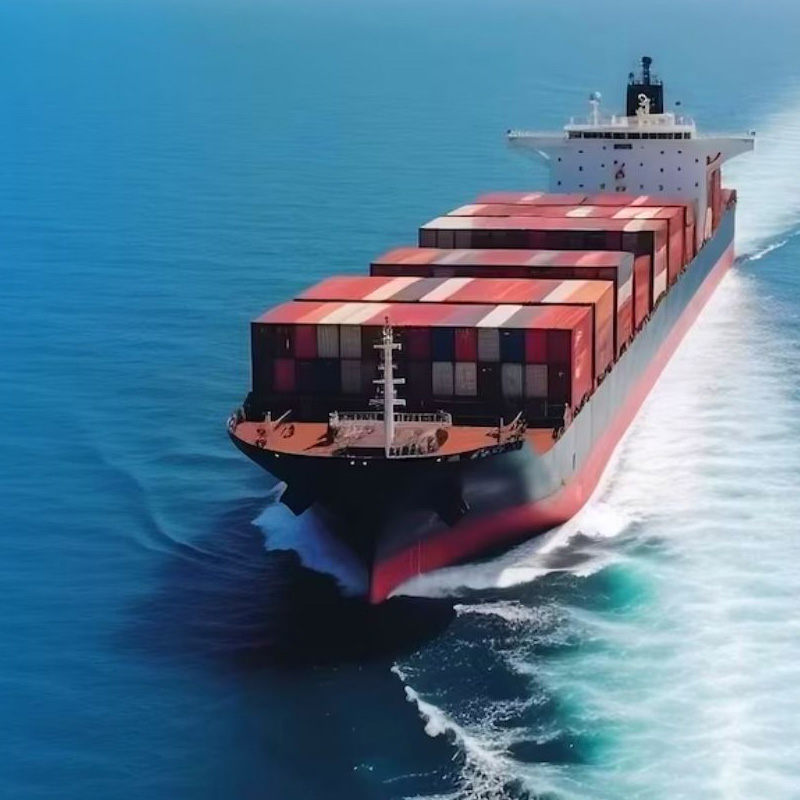
Understanding Ocean Freight and How It Works
Ocean freight involves transporting goods in large containers across oceans, inland waterways, and intercontinental routes. While it is the slowest method of international transport, it is also the most affordable—making it ideal for companies shipping high volumes or oversized cargo.
How Shipments Move Through the Ocean Freight Process
- Cargo is packed and loaded onto trucks at the origin
- Goods are transferred to a port and loaded onto a vessel
- Containers travel by sea to the destination port
- Shipments are picked up and delivered by truck with door-to-door, port-to-door, or port-to-port options
Lex Logistics coordinates each stage, ensuring a smooth transition between ocean carriers, customs, and inland transportation partners.
Container Shipping Options for Different Needs
Containerized shipping is the most secure and practical way to transport goods by sea. Containers protect cargo during handling, stacking, and long ocean journeys. Businesses typically choose between two main service types depending on shipment size, budget, and urgency.
LCL Shipping (Less-than-Container Load)
LCL is designed for shippers who do not have enough cargo to fill an entire container. Instead of paying for a full container, your goods share space with other shipments.
Key benefits include:
- Paying only for the space you use
- More flexibility for smaller companies
- Lower cost compared to booking a full container
LCL shipments are consolidated with other cargo, allowing businesses to enjoy the affordability of ocean freight without waiting to fill a whole container.
FCL Shipping (Full Container Load)
FCL is ideal when your shipment volume, sensitivity, or security requirements justify using an entire container.
Ideal when:
- You can fill a container entirely
- You want added protection and control over loading and sealing
- You need faster container handling at ports
Only one shipper’s goods are placed in an FCL container, reducing the risk of damage and providing better security throughout transit.
Types of Ocean Transport Service Providers
International shipping involves multiple specialized service providers. Lex Logistics collaborates with all three main types to deliver customized, end-to-end solutions:
-
1. Vessel Operating Common Carriers (VOCCs)
These companies own and operate ships, controlling vessel schedules, capacity, and routes. They are responsible for physically moving containers across oceans and managing port rotations. -
2. Ocean Freight Forwarders
These logistics experts arrange ocean transportation on behalf of shippers. They handle documentation, coordinate bookings with carriers, manage customs processes, and ensure that goods move efficiently from origin to destination. -
3. Non-Vessel Operating Common Carriers (NVOCCs)
NVOCCs act like carriers without owning vessels. They issue their own bills of lading, consolidate cargo from multiple shippers, and offer flexible rates and efficient consolidation services tailored to smaller or mixed shipments.
Lex Logistics integrates these partners into one cohesive service, giving businesses a single point of contact throughout the international shipping process.
Understanding Ocean Freight Charges: Costs and Container Types
Sea freight pricing depends on a combination of cargo characteristics, trade routes, and port-related fees. Understanding these components helps you plan more accurately and avoid unexpected costs.
Key Cost Factors
These are the fundamental elements that influence your ocean freight rate:
- Type and size of container
- Cargo weight and dimensions
- Transit time requirements and service level
- Commodity type and handling needs
- Origin and destination port pair
- Port handling and customs fees
Available Container Types
Choosing the right container helps balance cost, safety, and space utilization:
- 20-foot standard containers
- 40-foot standard containers
- 40-foot high-cube containers for extra height
- Open-top containers for top-loading cargo
- Flat-rack containers for oversized or heavy cargo
Lex Logistics helps customers analyze container options to ensure they choose the most cost-effective and secure solution.
Ocean Freight vs. Air Freight: Which Is Better?
In most cases, ocean freight is significantly cheaper than air freight. However, the right choice depends on more than just price. You should also consider urgency, inventory strategy, cargo sensitivity, and your overall logistics budget.
Air freight offers unmatched speed and reliability for time-critical shipments, while ocean freight provides slower transit times but delivers substantial cost savings for large loads and bulk quantities.
When Air Freight Makes Sense
- Perishable goods with limited shelf life
- Urgent shipments that cannot be delayed
- Lightweight, high-value items such as electronics
- Strict delivery deadlines or just-in-time inventory models
When Ocean Freight Is the Best Choice
- Large or heavy cargo that is expensive to fly
- Bulk quantities shipped regularly
- Non-urgent shipments with flexible delivery windows
- Businesses seeking the lowest cost per unit
Air freight may be the fastest option, but for many supply chains, ocean freight strikes the ideal balance between cost-efficiency and capacity—especially when planned in advance.
Challenges of Ocean Freight and How Lex Logistics Helps
While ocean freight is economical and scalable, it comes with certain operational and environmental challenges that must be actively managed:
Key Challenges
- Longer transit times compared to air freight
- Possible weather-related delays on major trade routes
- Port congestion and limited berthing windows
- Customs processing issues and regulatory complexity
- Increased handling opportunities across multiple touchpoints
Lex Logistics Mitigates Risks by:
- Proactively monitoring shipments from origin to destination
- Ensuring accurate and complete documentation
- Coordinating closely with ports, carriers, and truckers
- Offering real-time tracking and status updates
- Managing exceptions quickly to minimize delays and costs
Our experienced team ensures your supply chain remains reliable, predictable, and cost-efficient—despite the inherent complexities of global ocean freight.
Get Your Free Quote for Global Shipping
Leave the complex logistics details to us. Share your shipment details and let us provide the most suitable and cost-effective ocean freight solution for your business.
Send Quote RequestFrequently Asked Questions (FAQs)
1. How do I choose between LCL and FCL shipping?
Choose LCL if your shipment is too small for a full container and you want to pay only for the space you use. Select FCL for larger volumes, better security, and faster handling at ports, especially when you can fill most of the container.
2. How long does ocean freight shipping take?
Transit time varies by route but typically ranges from two to six weeks, depending on distance, vessel schedules, transshipments, and port conditions at both origin and destination.
3. What documents are required for ocean freight?
Common documents include the bill of lading, commercial invoice, packing list, and customs forms. Depending on the product type and destination, additional certificates (such as origin, fumigation, or compliance certificates) may also be required.
4. Can I ship fragile or high-value goods by sea?
Yes, you can ship fragile or high-value goods by sea, but proper packaging, container selection, and insurance are critical. FCL often provides the best protection since your cargo is not mixed with other shippers’ goods.
5. How can Lex Logistics help reduce my ocean freight costs?
Lex Logistics optimizes routing, consolidates shipments where possible, negotiates competitive rates with carriers, and manages documentation accurately to minimize delays, penalties, and total landed cost for your business.